
Transylvania County Superior Court
Transylvania County sits within North Carolina's unified General Court of Justice. Trial work is divided between Superior Court and District Court, and the State Court Structure Map identifies Superior Court as the primary trial court for this project. Superior Court handles felony criminal cases, higher civil cases, major trial matters, and appeals from District Court in many criminal matters. The local court-record hub is the Clerk of Superior Court, which keeps case files, supports public terminal access, and handles copies for both trial divisions.
The county is assigned to Prosecutorial District 42, Superior Court District 42, and District Court District 42. The Transylvania County Courthouse in Brevard is the local courthouse for Superior Court filings, District Court proceedings, magistrate functions, clerk records, and related court offices. The North Carolina Court of Appeals is the intermediate appellate court for state-level appeals, and the Supreme Court of North Carolina is the highest appellate court.
The NCIDS defender directories help explain why District 42 defense services are part of the local criminal case path.
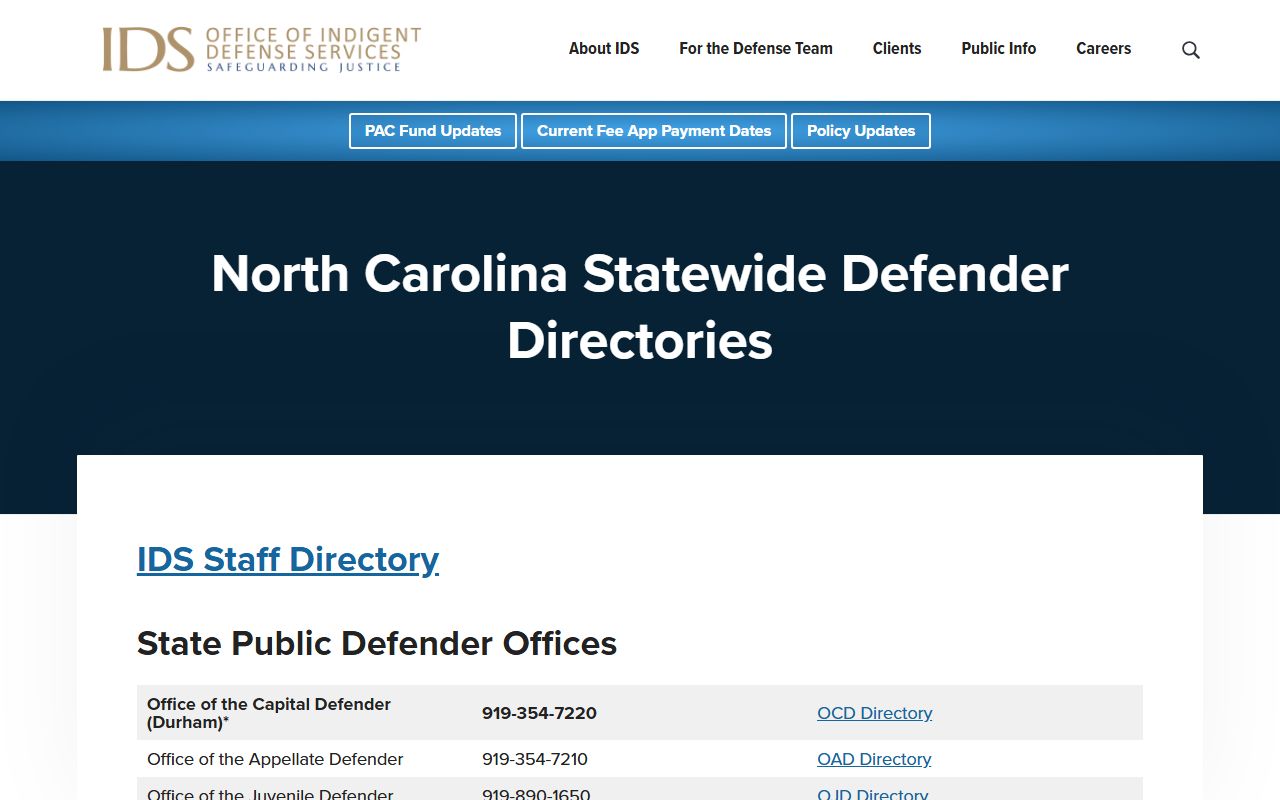
Those defense contacts help place Superior Court felony cases within the same district framework as prosecution and courthouse records.
Transylvania County Court Location
Court business is centered at the Transylvania County Courthouse, 7 East Main Street, Brevard, NC 28712. The North Carolina Judicial Branch lists the courthouse main telephone number as (828) 885-3000 and public hours as Monday through Friday from 8:30 a.m. to 5:00 p.m. The courthouse page identifies public parking behind the courthouse and additional public parking across the street to the side of the courthouse. It also lists wheelchair access and elevators.
| Court or Office | Role | Address | Phone |
|---|---|---|---|
| Transylvania County Superior Court | Felony, higher civil, appeals from District Court, major trial matters | 7 East Main St, Brevard, NC 28712 | Main courthouse (828) 885-3000; Superior Court Judges (828) 694-4230 |
| Transylvania County District Court | Misdemeanor, traffic, family, juvenile, lower civil, infractions | 7 East Main St, Brevard, NC 28712 | District Court Judges (828) 694-4225 |
| Transylvania County Magistrates | Initial criminal process, warrants, release conditions, small claims, marriages | 7 East Main St, Brevard, NC 28712 | (828) 884-3154 |
| Clerk of Superior Court | Court files, public terminal, probate, estates, copies, background searches | 7 East Main St, Brevard, NC 28712 | (828) 885-3000 |
| District Attorney District 42 | Prosecution of criminal and juvenile matters | 200 N. Grove Street, Suite 223, Hendersonville, NC 28792 | District office (828) 694-4200; Transylvania directory (828) 885-3010 |
| Public Defender District 42, Transylvania Office | Defense for eligible indigent defendants | 7 East Main Street, Brevard, NC 28712 | (828) 885-3014 |
The courthouse has an unusually detailed county history. Transylvania County says a two-story frame courthouse was finished in 1866 after the Civil War delayed construction, and a brick courthouse was approved in 1874. The brick courthouse still stands, was the first brick building in Brevard, and has served as a meeting hub, voting center, and place for law-related public debate. Later county studies focused on space, security, accessibility, record storage, and the need to separate jurors, witnesses, defendants, victims, judicial staff, and other courthouse users.
Superior Court vs District Court
Superior Court, District Court, and magistrates serve different functions in Transylvania County. The divisions are not competing offices. They are connected parts of the same North Carolina trial-court system, with the Clerk of Superior Court acting as the shared record point for local case files. A felony case may begin with a magistrate or District Court step, then move to Superior Court for indictment, plea, trial, sentencing, and appeal rights.
| Comparison Point | Superior Court | District Court | Magistrates |
|---|---|---|---|
| Main role | Felony, higher civil, major trials, many criminal appeals from District Court | Misdemeanors, infractions, traffic, family, juvenile, domestic, small claims appeals, lower civil | Initial criminal process, warrants, release conditions, small claims, marriages, some guilty pleas |
| Local district | Superior Court District 42 | District Court District 42 | Operate within the District Court Division |
| Record route | Clerk of Superior Court case file and public terminals | Clerk of Superior Court case file and public terminals | Clerk and District Court records for filed matters |
| Criminal path | Felony trial and sentencing after felony charging steps | Misdemeanors, infractions, and early felony appearances | Warrants, first appearances, release conditions, initial process |
| Appeal path | North Carolina Court of Appeals, and in some cases Supreme Court review | Many misdemeanor convictions may be appealed for a new trial in Superior Court | Small claims decisions can move into District Court procedures |
The practical effect is that a Transylvania County Superior Court records search should not ignore District Court or magistrate activity. Early criminal paperwork may start with a magistrate. Misdemeanor and traffic matters may remain in District Court. Felony disposition and higher civil judgment records are more likely to sit in Superior Court after the case reaches that division.
Transylvania County Case Flow
Criminal and civil matters move through the Transylvania County court system based on case type. Felony cases may start with arrest, warrant, release, and first-appearance steps before indictment or another felony charging route places the case in Superior Court. Misdemeanor and infraction matters often begin and end in District Court unless appealed. Civil cases depend on the claim type, amount, and statutory route, while small claims begin with magistrate procedures and can move into District Court on appeal.
Felony flow: Magistrate process › District Court first appearance › indictment or felony charging step › Superior Court arraignment › pretrial hearings › plea or trial › judgment and sentencing › appeal.
Misdemeanor flow: Citation, warrant, or summons › District Court appearance › plea, trial, dismissal, or judgment › possible appeal for a new trial in Superior Court.
Civil flow: Complaint or petition filed › service › answer or response › motions or mediation where applicable › hearing or trial › judgment › post-judgment action or appeal.
That flow also shapes record searches. A user may need the Superior Court case file for a felony judgment, the District Court record for a traffic or misdemeanor case, and the clerk's public terminal for special proceeding or estate file information. For certified copies and paper file review, the resolved local office is the Clerk of Superior Court.
Transylvania County District 42
District 42 is the local frame for prosecution, trial-court assignment, and defender context. The research identifies Transylvania County in Prosecutorial District 42, Superior Court District 42, and District Court District 42. In the larger prosecutor and public defender context, District 42 also includes Henderson and Polk. The District Attorney's local court contact on the NC Courts Transylvania directory is (828) 885-3010, while the District 42 District Attorney page identifies Andrew Murray as District Attorney with the main office in Hendersonville.
For defense access, the Public Defender District 42 Transylvania office is listed at 7 East Main Street, Brevard, NC 28712, with phone (828) 885-3014 and fax (828) 885-3015. The Superior Court criminal process can involve the District Attorney, public defender, private defense counsel, clerk staff, official court reporters, and the judge assigned to the session. Transcripts and audio requests have separate procedures and costs when a record is needed for appeal or review.
Transylvania County Superior Court Records
Superior Court records can include felony charging documents, indictments, appearances, pleas, motions, orders, jury trial entries, verdicts, judgments, sentencing records, and appeal notices. Higher civil records can include complaints, summonses, answers, motions, orders, judgments, liens, foreclosures, partitions, condemnations, and other proceedings involving property or personal rights. The Clerk of Superior Court is the local file custodian, and NC Courts says paper case files can be viewed at the clerk's office in the county where the case is located if the file is public.
Public online data may not show the whole file. The eCourts Portal can show public case information, hearing details, judgments, and financial information, but registered users do not gain access to restricted material just by creating an account. For full court files, certified copies, or background checks, use the clerk's office rather than treating Portal as the only source. Detailed case search guidance belongs with the broader Transylvania County court records workflow.
Note: Superior Court records and District Court records share a clerk, but the case type controls which division hears the matter.
Restricted Transylvania Court Records
Some Transylvania County court records are restricted by subject matter. Juvenile delinquency, undisciplined, abuse, neglect, and dependency records are not ordinary public court records. The research points to G.S. 7B-3000 for juvenile court records and G.S. 7B-2901 for abuse, neglect, and dependency record confidentiality. Those rules are relevant to District Court and Superior Court research because public case-search tools may omit or limit juvenile matters even when a courthouse file exists.
The juvenile court records statute is a key source for understanding why not every Transylvania County court record is public.
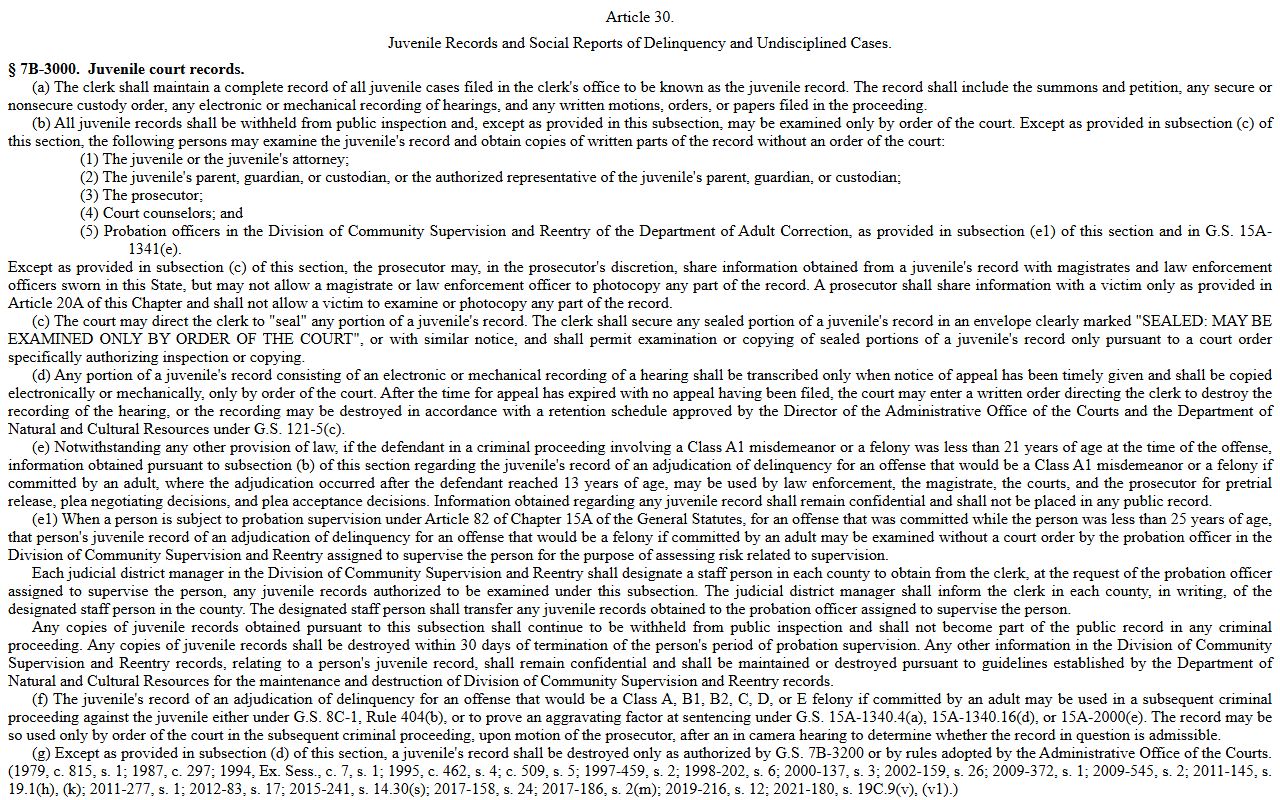
That statute helps explain why some youth-related matters will not appear like standard Superior Court or District Court case records.
The abuse, neglect, and dependency confidentiality statute is a second assigned image source for restricted court records.
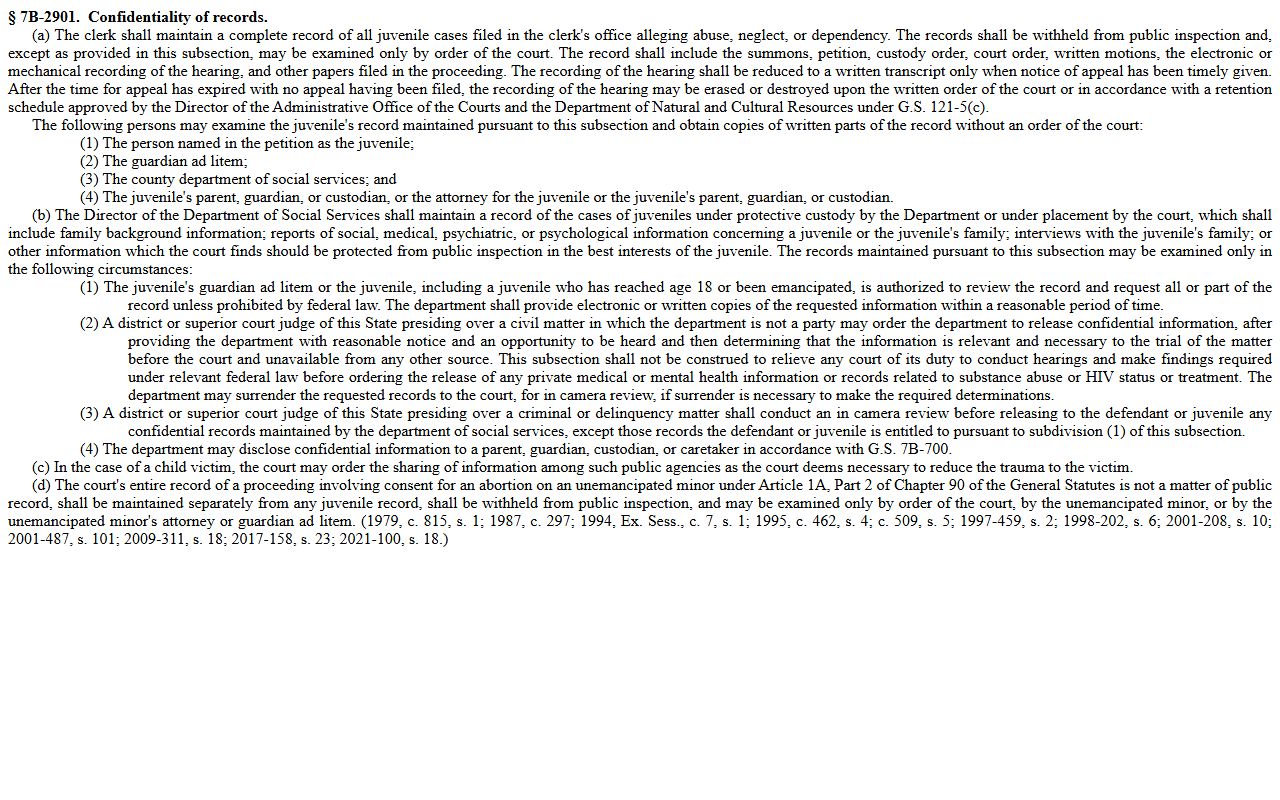
That source supports the access limits for family and juvenile matters connected to District Court and the broader county court system.
Transylvania County Magistrates
Magistrates operate inside the District Court Division, but their work often creates the first record in a matter that later becomes a Superior Court case. The research identifies Transylvania County Magistrates at (828) 884-3154. Magistrates handle initial criminal process, arrest warrants, release conditions, small claims, involuntary commitment duties, some guilty pleas, and civil marriages. For a felony, the first appearance and release path may start before the case moves to Superior Court for indictment and trial work.
Magistrate records are not a separate county court archive. Filed matters still route through the Clerk of Superior Court and statewide court systems where they become court files. A small claims matter may begin with a magistrate and move to District Court on appeal, while a warrant or release order may become part of a criminal case file. That is why a Transylvania County Superior Court search can require checking early District Court or magistrate activity.
Transylvania Court and Sheriff Records
Court records and law enforcement records are related but not the same. NC Courts says police reports should be requested from the law enforcement agency involved in the case. For Transylvania County, the Sheriff's Office, Citizen Connect tools, and other local agencies may hold incident, detention, or criminal paper information that differs from the clerk's court file. Once a criminal matter is filed in court, the official case record is handled through the clerk and the appropriate trial division.
The NCSBI sex offender registry search and registry information page are useful because sex offender registration is often confused with criminal court records.
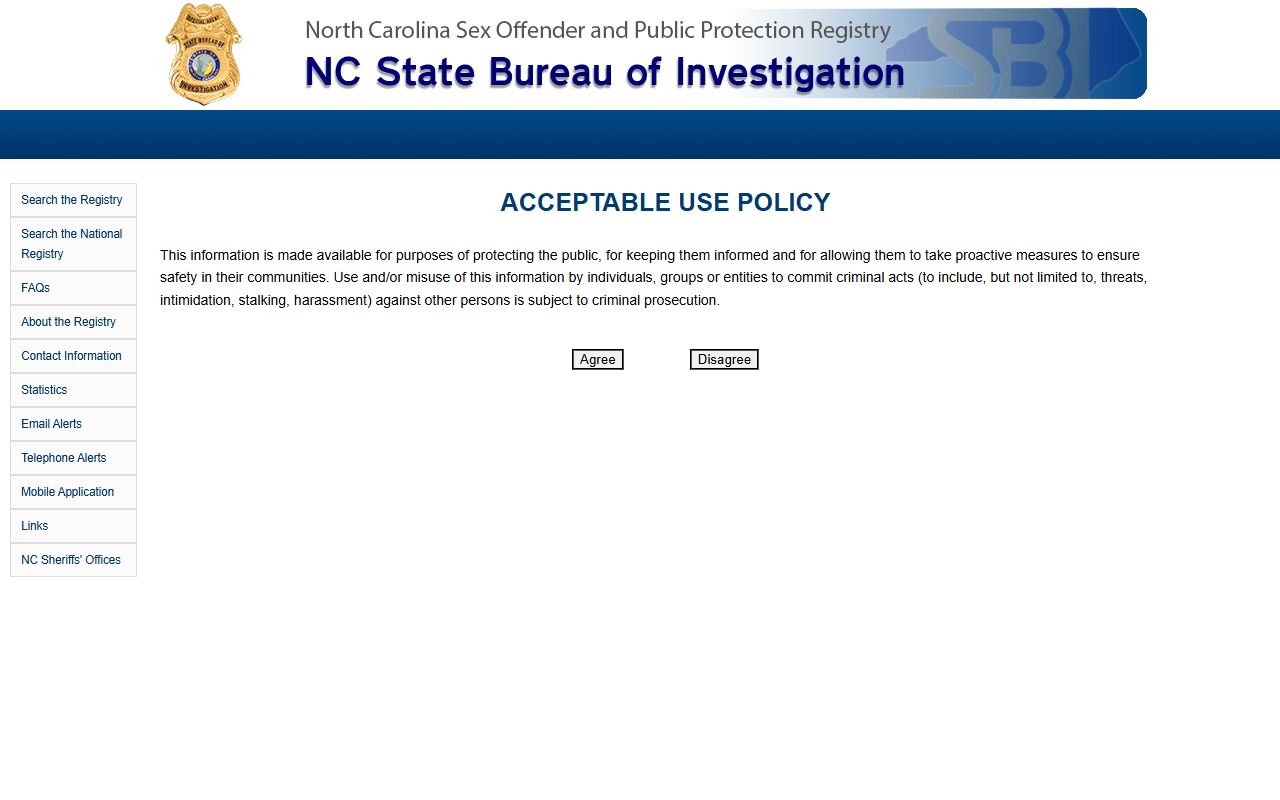
The registry is a statewide public-safety tool, not the Superior Court file for a criminal prosecution.
The NCSBI registry information page provides the policy background for that separate search channel.
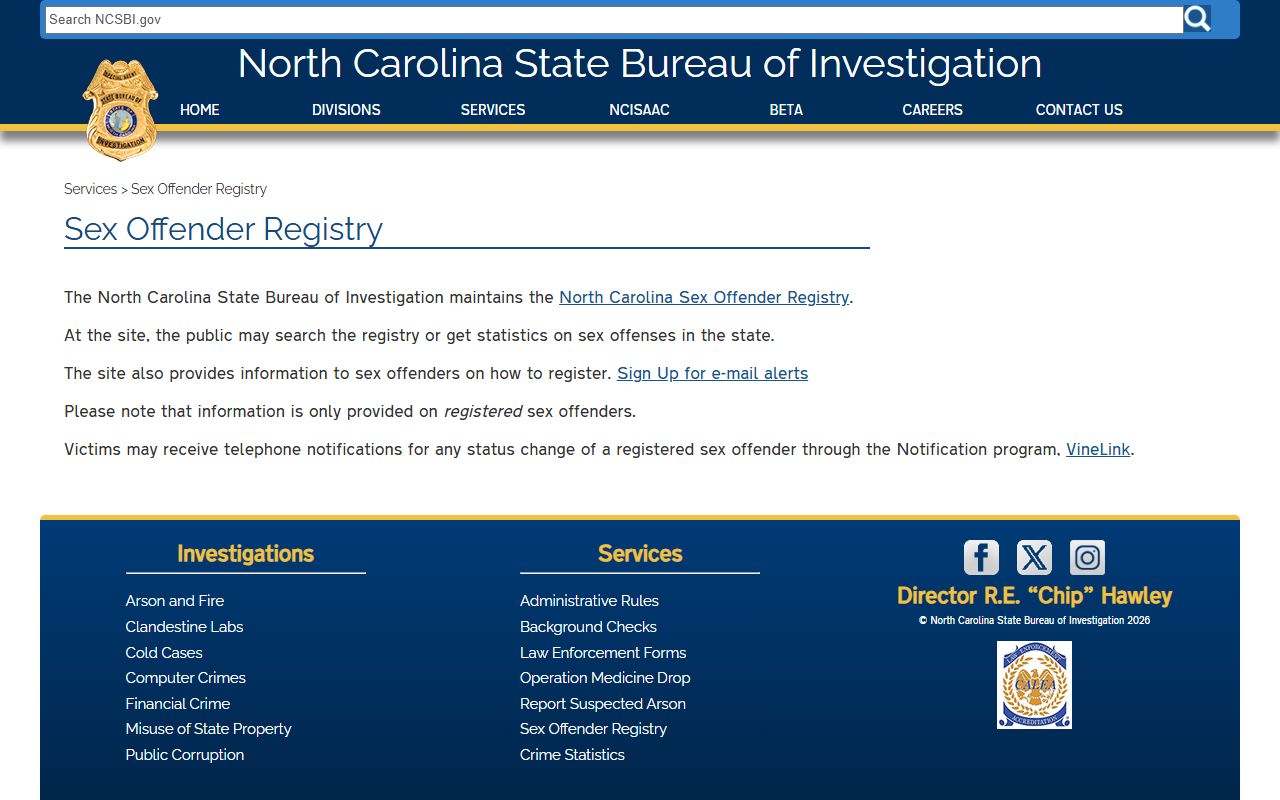
Use the registry for registration status questions, and use the clerk or Portal for filed court charges, judgments, and Superior Court dispositions.
The local Transylvania County Sheriff's Office website is relevant because sheriff activity can lead into court, but it remains outside the clerk's file system.
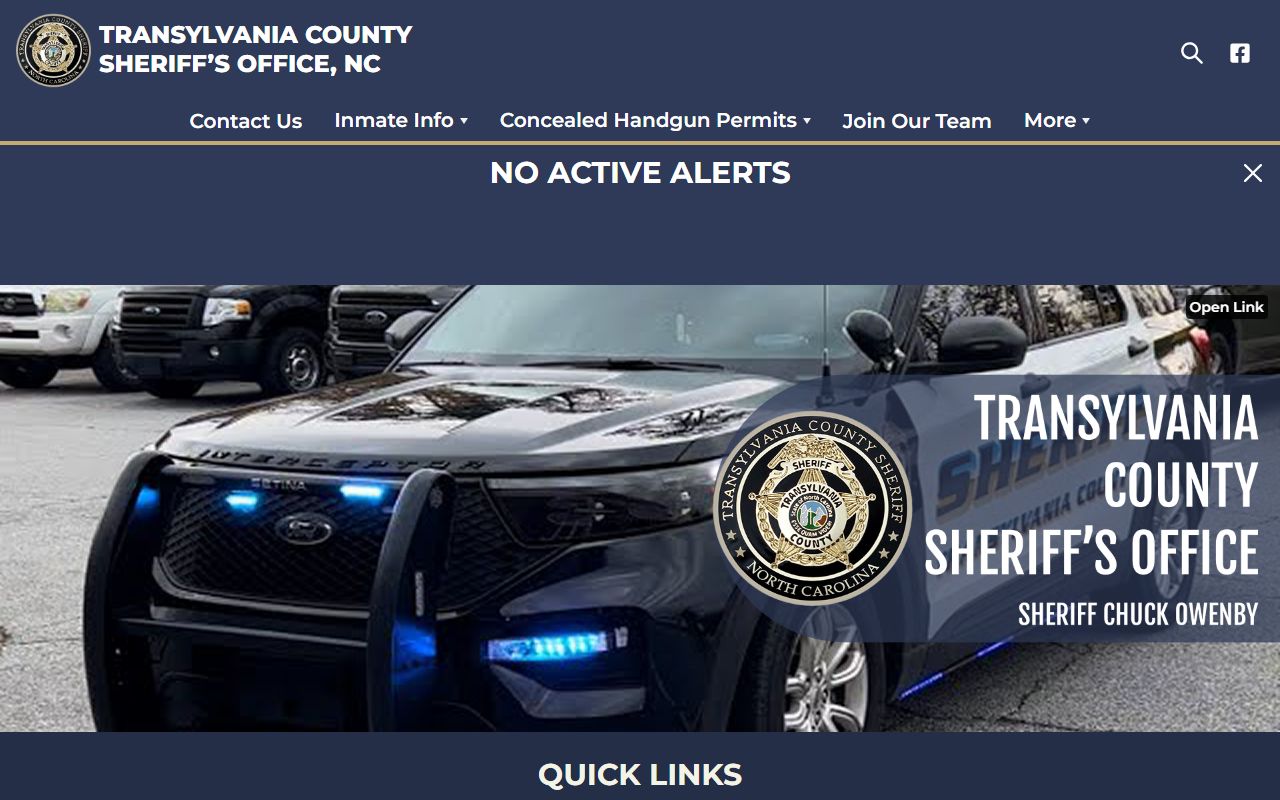
That distinction helps separate arrest, incident, and detention information from the Superior Court record that shows filings and disposition.